Overview
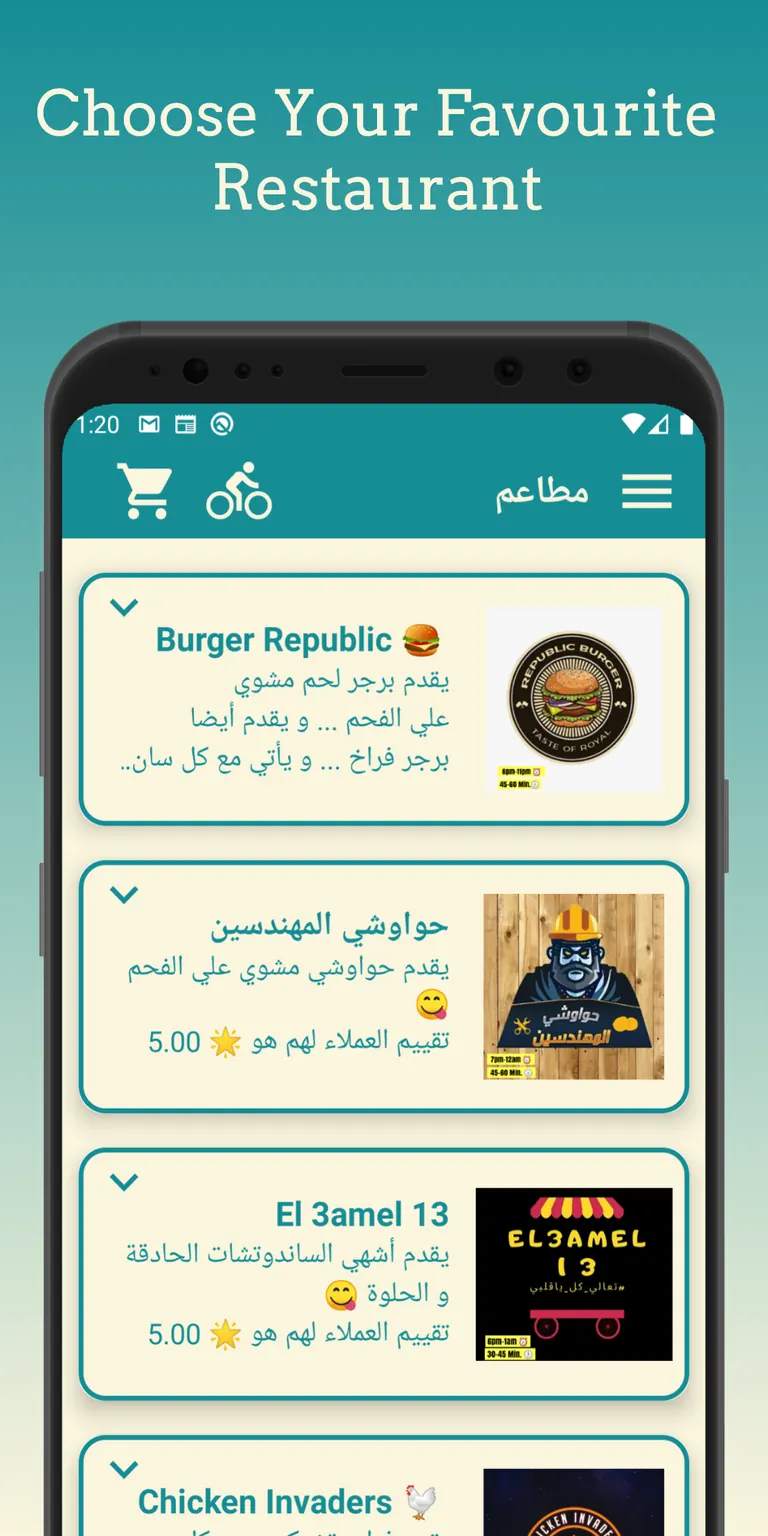
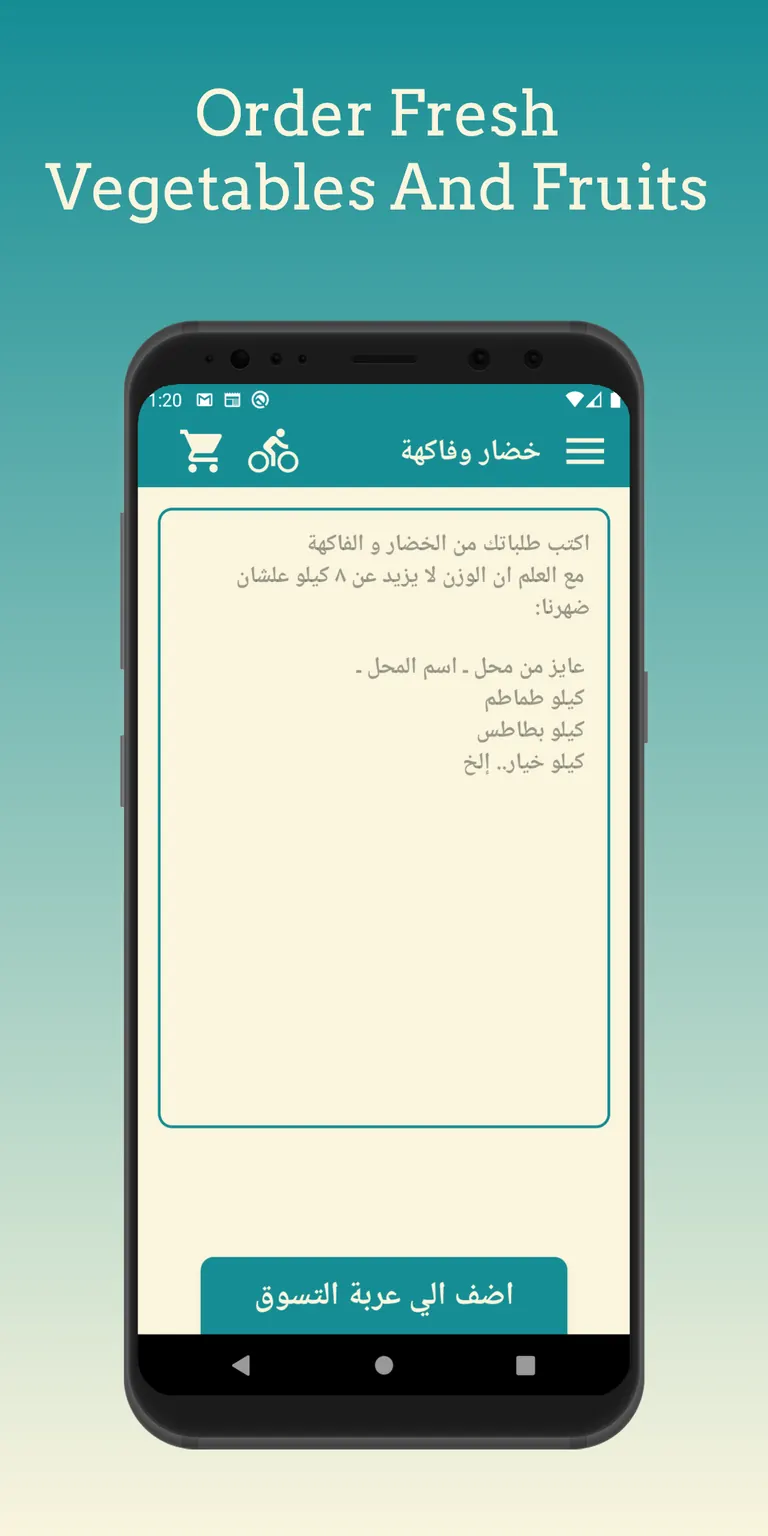
Dostava is an on-demand courier Android application built around customer order and delivery workflows, notifications, and location-aware tracking.
Challenge
The order experience needed both remote service access and local persistence. Delivery workflows also had to coordinate app state with notifications and map-based location behavior.
My role
I delivered the Android application using Java and MVVM and integrated the remote, local, notification, and mapping services used by the product workflows.
What I built
I used Java with MVVM to separate presentation behavior from the data layers. Retrofit handles remote APIs, Room provides local persistence, Firebase supports notifications and mobile workflows, and Google Maps supplies delivery location and tracking features.
Architecture
Android Java UI → MVVM presentation → Retrofit remote services
Android Java UI → Room local persistence
delivery workflows → Firebase notifications + Google Maps tracking
Results
Dostava was previously published under a client-owned Google Play listing. It is no longer available because the client did not continue maintenance or request updates, so this portfolio does not present a current store-download action.
Lessons
Dostava reinforced the importance of separating remote and local data responsibilities in a workflow-heavy mobile product. That separation makes order state easier to reason about when network, notification, and map events meet.